
Lot 3701
Sale 99 · Important Australian & World Coins, Medals & Banknotes
Images
Description
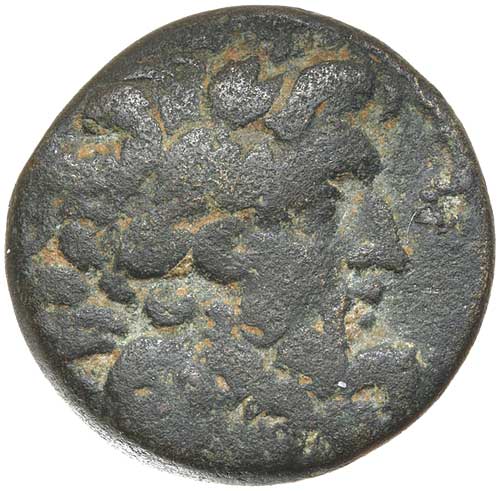
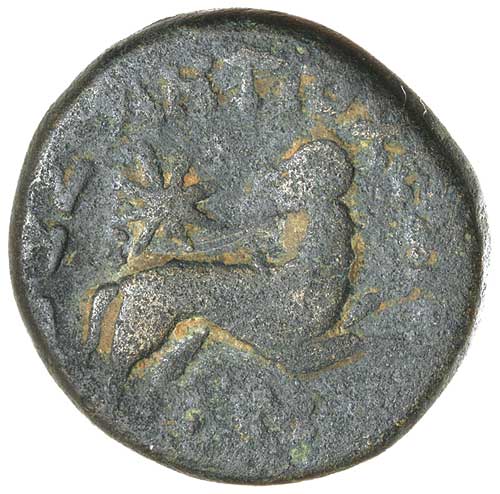
Syria, Seleucis and Pieria, Antioch mint, pseudo-autonomous issue, time of Augustus, (7-6 B.C.), AE 19, (7.01gm), obv. laureate head of Zeus right, rev. ram running right, head left, star above, ANTIOXE[*WN EPI UAROU*], monogram below, (S.5184, McAlee 95, RPC I 4265, SNG Cop. 95).Fine and rare.
Cornelius C. Vermeule III Collection, sold in Triton III (lot 1661 part) with his ticket. See extensive article by Bruce Gerig 'Have Astronomers Found the Star of Bethlehem?' in Google. This paper links the star of Bethlehem to the conjunction of planets Mars, Jupiter and Saturn. Alternatively in Michael Molnar's new book, 'The Star of Bethlehem: The Legacy of the Magi', states that the star was not a comet or supernova. Nor was it the famous 'triple conjunction.' The practices and beliefs of astrologers during Herod's reign show why Jupiter and the planets in Aries the Ram on April 17, 6 BC signified a Messianic birth. This analysis has confirmation by a Roman astrologer, Firmicus Maternus, that the conditions of that day when Jupiter was in the east were those for the birth of a 'divine and immortal' person. The evidence is that Firmicus was a Christian convert, and I argue that he had the birth of Jesus in mind. The book also explains how astrologers interpreted Emperor Nero's horoscope to predict that he was to survive his overthrow and rise up in Judea - a story that evolved into tales about the Antichrist. This book explains the relationship of the this coin of Antioch to the Star of Bethlehem and the census of Quirinius described in Luke. A most important Biblical coin. CNG sold a similar example in Electronic Sale 248 (lot 295) for $425.
- Estimate
- $200
- Result Status
- Sold
- Prices Realised
- $200