
Lot 3341
Sale 86 · Important Australian, World & Ancient Coins, Medals & Banknotes
Images
Coin 1
Coin 2
Description
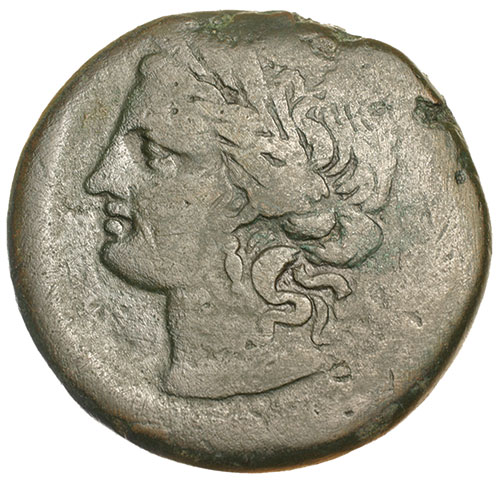
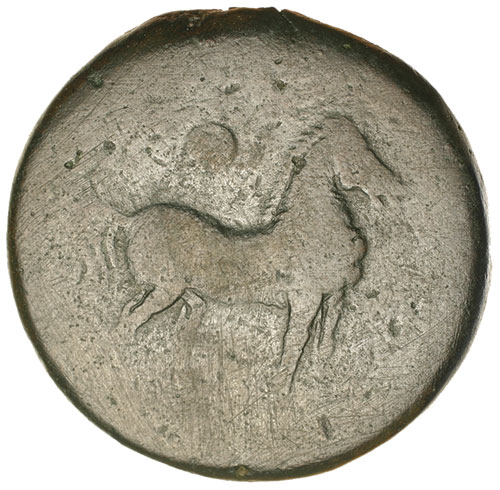
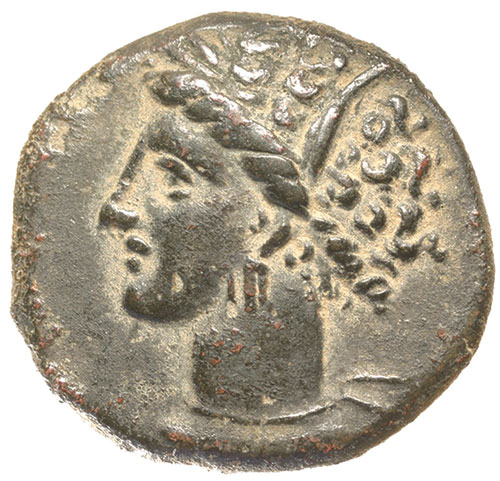
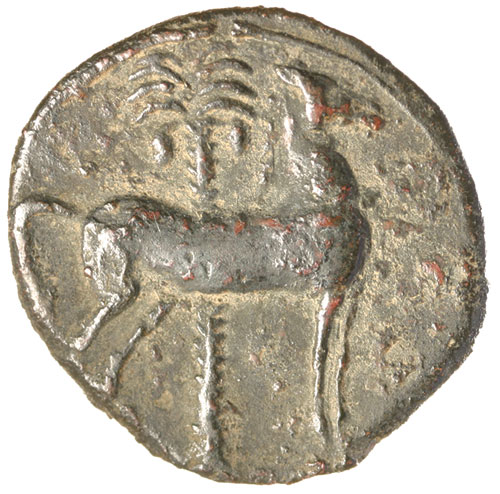
Zeugitania, Carthage, (c.200-190 B.C.), AE 46 (large bronze), (95.13 grams), Carthage mint, obv. head of Tanit to left, wreathed with corn, rev. horse standing to right, sun-disk between two uraeus-cobras, (S.6533, SNG Cop.399, M.131, Robinson NC 1964 7 [p.45], Jenkins 11 [p.136], Paris, De Luynes 3782, Visona 60); together with another (c.241-221 B.C.), AE 16 (2.358 grams), obv. Tanit left, rev. horse right head reverted, (S.6519, SNG Cop. 273). First with attractive dark tone good fine/nearly fine and very rare; second good very fine. (2)
Ex Stephen Mulligan Collection Noble Numismatics Sale 64 (lot 2398) and previously from the Klaus Marowsky Collection, sold in Fritz Rudolf Kunker Auction sale No.54, March 7-8, 2000 (lot 1763, illustrated) for the first coin. Second coin from the Roman Connection with ticket. This was the largest struck bronze coin struck west of Egypt. It rarely appears for sale and almost all known examples are worm examples similar to this piece. The issue was the result of a monetary reform after 200 B.C. following the total and shattering defeat in the Second Punic War. The era saw the introduction of two new bronze issues, one of about 20 grams and the other the much rarer multiple unit of about 100 grams. The heavier multiple unit comes with two reverses one with the horse standing (as in this example) and another with the horse stepping to the right. They were both struck concurrently and these from very few dies suggesting a relatively short period of time for its issue. The lighter 20 grams examples were found in worn condition in the destruction stratum of 146 B.C. at Carthage indicating that this lighter issue were minted earlier in the century and that they had fifty years of circulation.
- Estimate
- $2,250
- Result Status
- Sold
- Prices Realised
- $2,550