
Lot 2872
Sale 138 · Important Australian, British, World, and Ancient Coins, Banknotes, and Medals
Images
Description
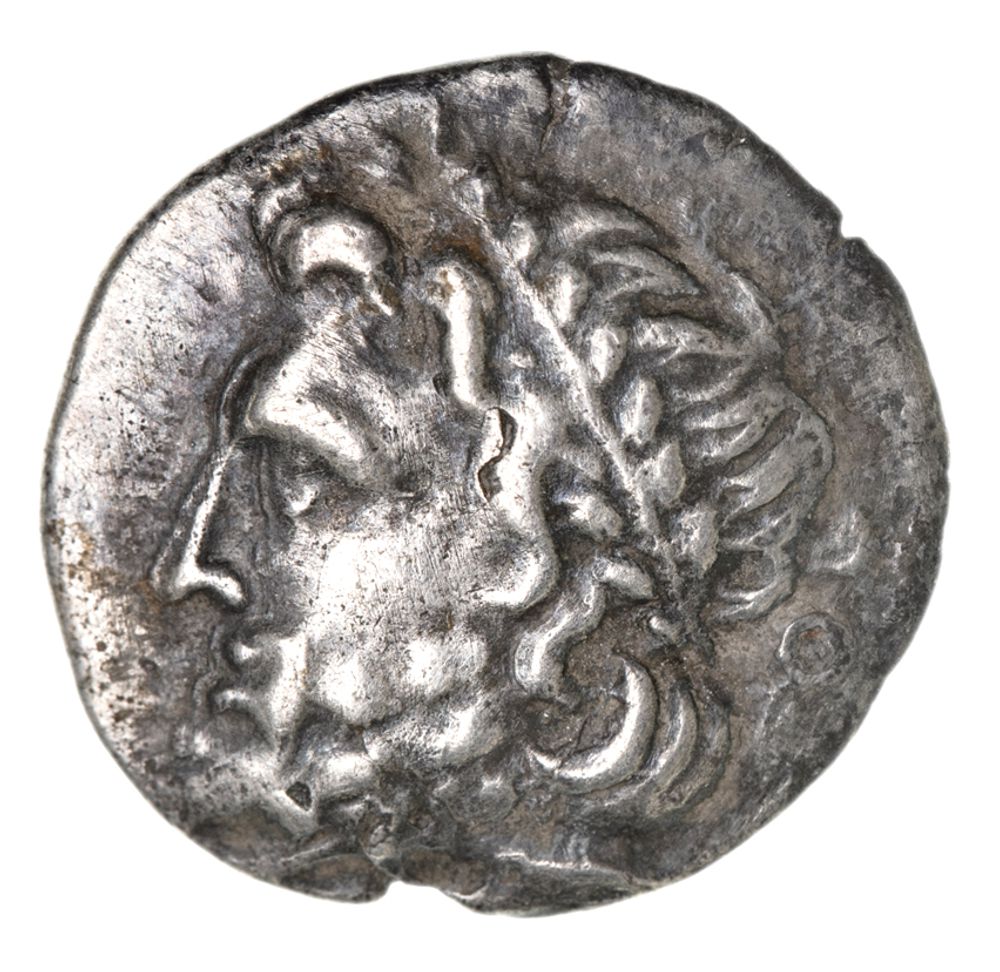
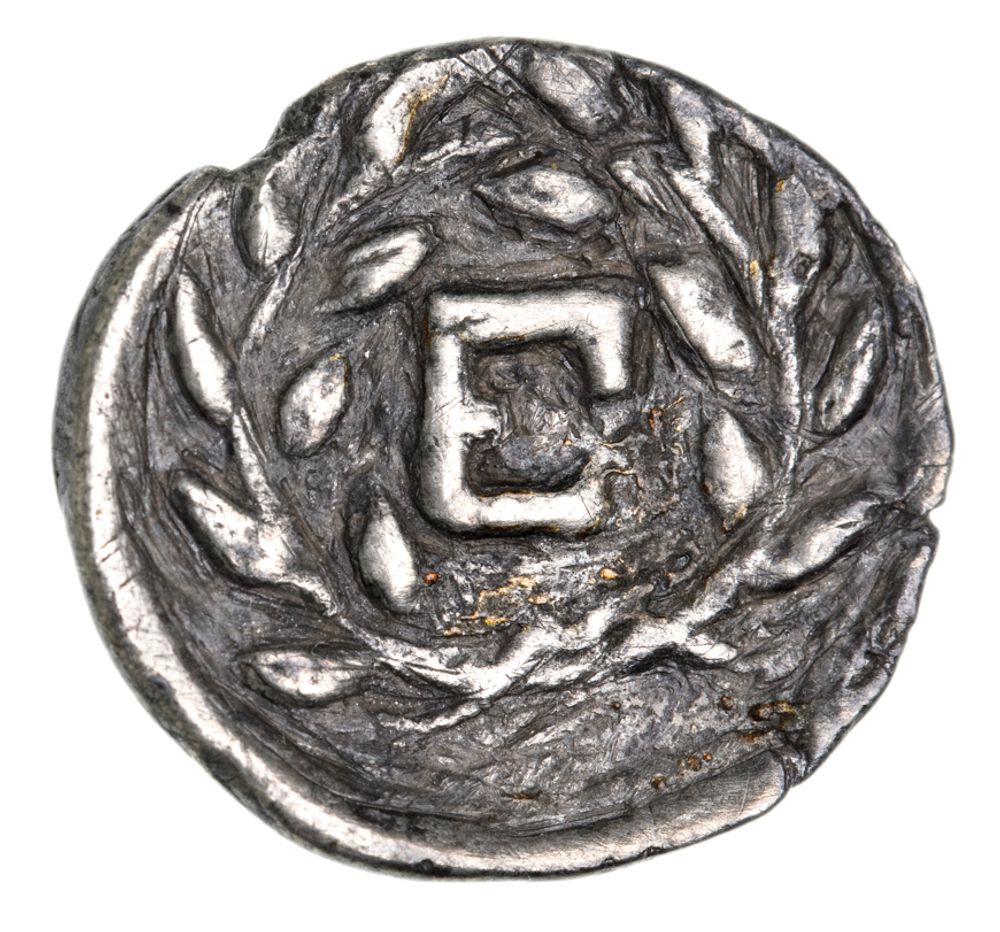
Peloponnesos, Argolis, Epidauros, (Circa 290/280-260 B.C.), silver hemidrachm or Attic tetrobol, (2.20 g), obv.laureate head of Asklepios to left, **Q* behind, rev. E**P* monogram within laurel wreath, (S.2810, HGC 729, SNR Vol.72 Requier, Monnayage, series 4 [2], 199 (D1/R3 - same dies), BCD Peloponnesos 1243 (same dies), ACNAC Dewing 1931 [same dies], Winterthur 2225, cf.SNG Copenhagen 115-6. Toned, nearly extremely fine and very rare.
Ex BCD Collection (not in LHS sale); coming from CNG Triton XIII (lot 2184 part), January 5, 2010 (lot 2184). LHS sale 96 lots 1243 and 1244 realised 950 and 1050 SFr similar coins and similar condition; lot includes a very descriptive collector's ticket.^Reputed to be the birthplace of Asklepios, the god of healing, Epidauros was established as that god's sanctuary. There, the Asklepeion, or temple dedicated to him, became the most celebrated healing center of the Classical world, and the place to which the ill traveled for relief. A massive complex, it contained shrines, healing mineral springs, and dormitories. The central feature of the site was the enkoimitiria, a large sleeping hall, where the ill would spend the night. The dreams they dreamed while there were subsequently interpreted as the god's advice for the recovery of their health. The site also included a large theater for ritualistic performances. Admired by Pausanias, the theatre remains the best-preserved building of its type from the Classical world.
- Estimate
- $1,500
- Result Status
- Sold
- Prices Realised
- $1,400