
Lot 1875
Sale 130 · Important Australian, British, World, and Ancient Coins, Banknotes, and Medals
Images
Description
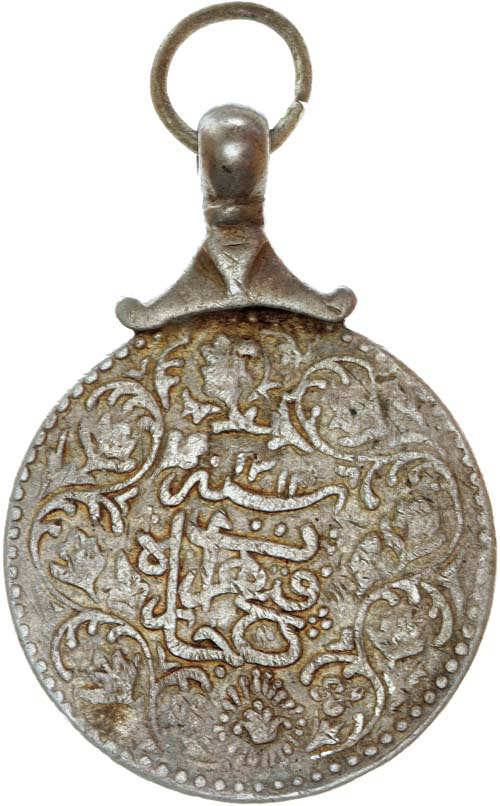
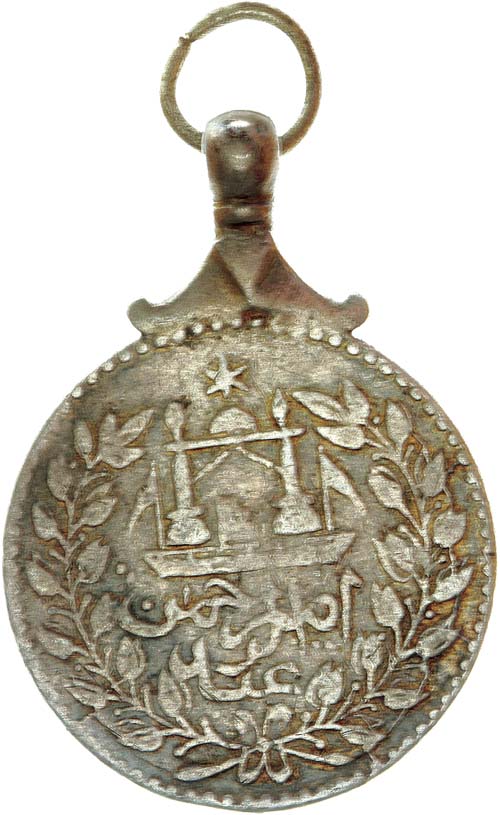
Afghanistan, Commemorative medal, "The Herat Medal", AH 1311 [AD 1893], silver 28mm, (11.02 g), obv. inscribed "Emir Abdul Rahman", reverse inscribed "Year of Victory over Herat" [AD 1881], with a mounted edge and ring attachment for wearing. Fine and rare.
Ex Mark E. Freehill Collection.
With Ayub Khan defeated, the Afghan war was officially over and the British selected and supported a new Amir Abdur Rahman Khan son of Muhammad Afzal and nephew of the former Amir Sher Ali. Rahman confirmed the Treaty of Gandamak, whereby the British took control of the territories ceded by Yaqub Khan, and also of Afghanistan's foreign policy in exchange for protection and a subsidy. The Afghan tribes maintained internal rule and local customs, and provided a continuing buffer between the British Raj and the Russian Empire.
Abandoning the provocative policy of maintaining a British resident in Kabul, but having achieved all their other objectives, the British withdrew from the region. By April 1881 all British and Indian troops had left Afghanistan, but British Indian agents were left behind to smooth liaison between the governments. No further trouble resulted between Afghanistan and British India during Rahman's period of rule, and he became known as the 'iron Amir'.
In 1893 (AH 1311), Mortimer Durand was despatched to Kabul by British India to sign an agreement with Rahman for fixing the limits of their respective spheres of influence as well as improving diplomatic relations and trade. On November 12, 1893, the Durand Line Agreement was reached. leading to the creation of a new North-West Frontier Province. This medal commemorates this event.
- Estimate
- $100
- Result Status
- Sold
- Prices Realised
- $120