
Lot 3613
Sale 129 · Important Australian, British, World, and Ancient Coins, Banknotes, and Medals
Images
Coin 1
Coin 2
Description
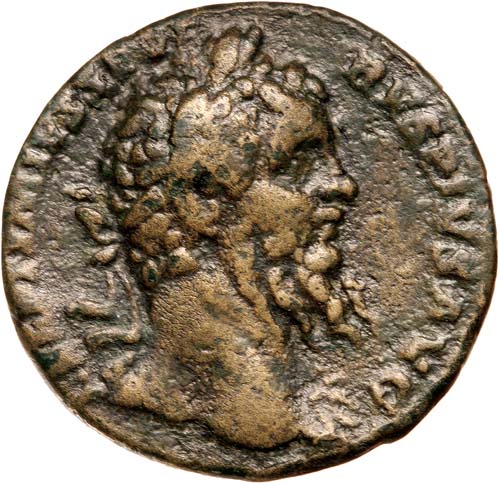
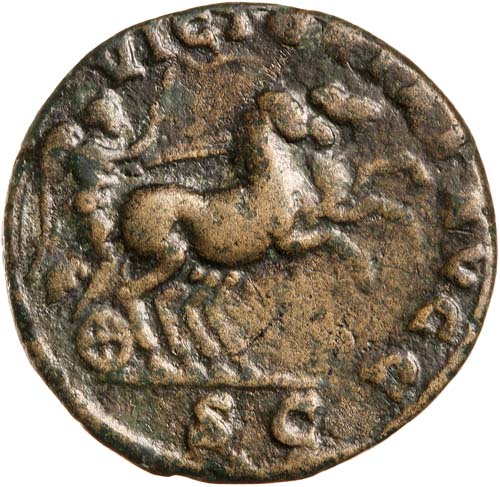
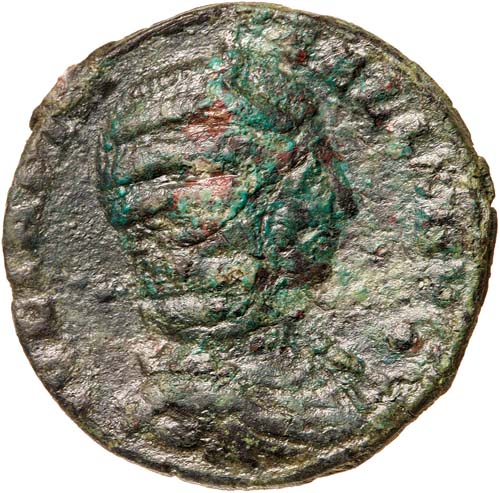
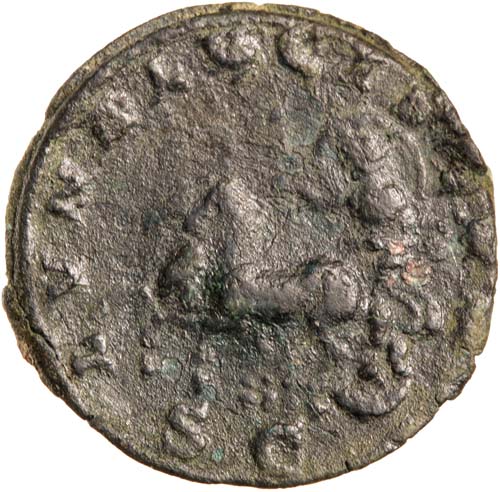
Ancient Roman bronze coins, AE sestertii and fractions of Faustina II (4, including a proto-contorniate), (S.4709, another bust to left rare, 5227); Elagabalus (3, dupondius (2) and as), (S.7595, 7608); Gordian III, 6 sestertii, (cf.S.8731 (3), TR P V], 8702 [2], 8740); unusual asses or reduced size contemporary cast?, of Septimius Severus (S.6748) (illustrated); Julia Domna (S.7130) (illustrated); others of Caracalla (S.7006), Geta (S.7282). Several with green patination, good - nearly very fine, contorniate rare. (17)
Ex Dr. V.J.A. Flynn Collection, mostly from finds.
Proto-contorniate is the modern term used to describe Roman Imperial and Provincial bronze coins of the first, second, and early third centuries with hammered-up edges. These raised edges on the rims probably occurred after these bronze issues no longer circulated and ceased to be part of the currency in general use. These proto-contorniates are of both emperors and empresses and consist almost exclusively of earlier sestertii, dupondii, and asses. Although several different theories to explain this alteration have been offered over the years, it is generally accepted today that these were given by friends and family to each other as New Years gifts, perhaps in the late third and first half of the fourth centuries. This was first proposed by Andreas Alfoldi in Die Kontorniaten (Budapest, 1943). The rims hammered in this manner gave them a distinctive appearance. (Courtesy CNG)
- Estimate
- $250
- Result Status
- Sold
- Prices Realised
- $190