
Lot 4075
Sale 105 · Important Australian & World Coins, Tokens, Medals & Banknotes
Images
Description
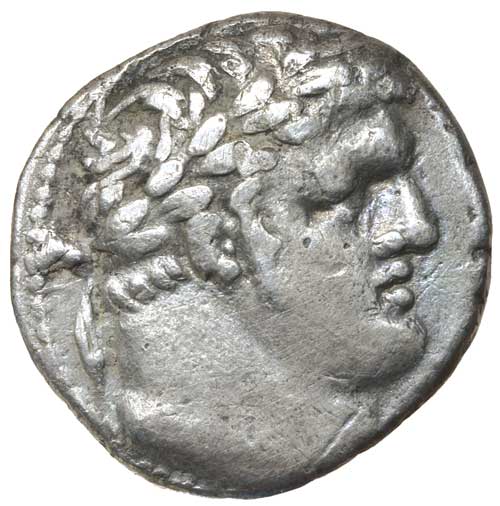
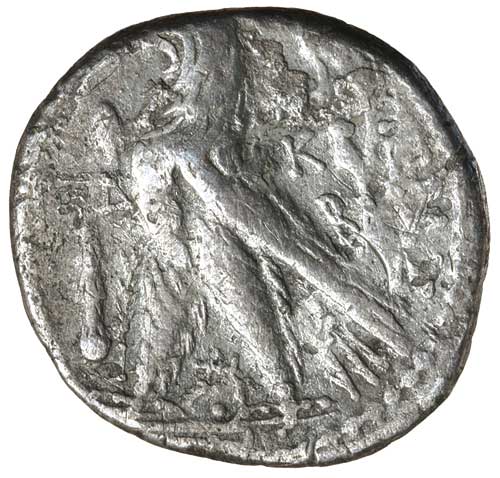
Phoenicia, Tyre, (c.2nd century B.C. - 1st century A.D.), silver half shekel or didrachm, (5.68 g), [Tyre] Jerusalem mint, issued 38-39 A.D., obv. laureate head of Melqarth beardless to right, rev. eagle to left with closed wings, carrying palm, standing on prow of ship, club to left, to left **[R]XD* ( = 164 = 38-39 A.D.], to right K P over monogram BM, Phoenician letter between legs, around **[TUROU IERAS KAI ASULOU]*, (S.5921, BMC 240, H.1621). Small flan, good fine and a rare date.
These half shekels were issued from 126 BCE (Before Common Era) to the time of the First Jewish War in 69-70 CE (Common Era) on a very consistent, yearly basis. The Jewish people had to pay an annual tax to the Jerusalem Temple that was only payable in the money of Tyre. The shekels and half shekels of Tyre were widely available in the region and were well known for their good silver content and accurate weight. When Jewish pilgrims came to the Jerusalem Temple from other parts of the Greek and Roman world, they found money changers set up in the temple court competitively advertising exchange rates for the locally accepted Shekels. The method of advertising was a loud voice. It was this loud commercial activity that Jesus found offensive, when he threw over the tables of the merchants and expelled them from the Temple. The half shekel tribute was the amount every Jewish male over the age of 20 was obliged to pay.
- Estimate
- $250
- Result Status
- Sold
- Prices Realised
- $270